Commentary
Global CIO: 5 Ways Royal Caribbean's CIO Taps Emerging Tech
CIO Bill Martin and his team are making IT relevant to the cruise company's growth initiatives.
Royal Caribbean International CIO Bill Martin is feeling the demand for new IT projects. The company launched the biggest cruise ship ever built late last year, with plans for more new ships this year and next. As up to 5,400 guests roll on board the Oasis of the Seas, they bring ever-rising expectations for technology, and the cruise line also relies on IT to serve that mass of vacation-loving humanity.
We spoke with Martin for the recent InformationWeek cover story ("Return To Growth"), where he and others talked about their growth-oriented IT projects. As Royal Caribbean ramps up those projects, here are a few emerging technologies Martin has bet on, technologies facing the real-world test right from Royal Caribbean guests.
More Global CIO Insights
Webcasts
- Does America's Next "Road to Prosperity" lie in Rural Sourcing?
- Why Smart Banks Are Shifting from Products to People
White Papers
More >>Reports
More >>1. Facial Recognition Software
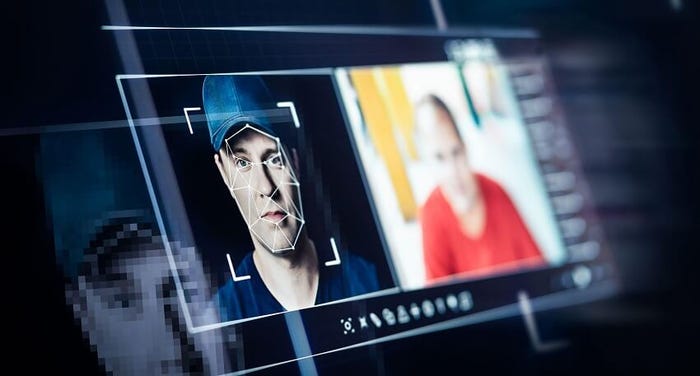
When guests check in to Oasis of the Seas, at one of 90 check-in points, a staff member shoots a high-resolution photo, which is sent to the ship and linked with a passenger’s stateroom key. That picture is then in the security system, but also merchandise systems such as the point of sale system. When the ship photographer shoots action shots, they're dropped into a personalized photo tower, based on the facial recognition software, for guests to buy or ignore. Guests can access photos at kiosks, or from their rooms interactive TVs. The facial recognition software isn’t perfect, but "it's north of 90% accurate," Martin says. "It's very effective."
2. Shape Recognition Cameras
Royal Caribbean's Oasis of the Seas is the largest cruise ship ever launched, and one of the company's guiding principles is zero tolerance for lines, Martin says. So at each of the 24 restaurants on the ship, shape-recognition cameras count the number of people seated and if any are waiting. That would be mildly interesting data if it were used to do post-cruise reports and study how effectively they’re hitting "no line" compliance. But it gets really valuable thanks to …
3. Interactive Media
That data on restaurant crowds gets sent in real-time, in the form of red-yellow-green signals, to 300 digital signs around the ship, so that people can self-select the least-crowded venues. "The subtle impact is you never run into a line because as soon as we start to get full we're indicating that to everyone on board, that maybe this isn't the [restaurant] you want to go to," Martin says.

Subscribe to RSS