













Commentary
VMware's Rosenblum: Virtualization Means Changes
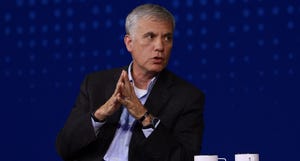
Mendel Rosenblum, Stanford University operating system researcher and chief scientist at VMware, is an approachable, brainy uncle kind of figure. For example, he pauses to think about a question instead of just automatically answering it.Mendel Rosenblum, Stanford University operating system researcher and chief scientist at VMware, is an approachable, brainy uncle kind of figure. For example, he pauses to think about a question instead of just automatically answering it.When we sat down together at VMware's VMworld user group meeting in Los Angeles a few weeks ago, I asked him where virtualization's impact will fall most heavily on the data center.
He paused to think and said, the advent of virtualization's hypervisor "means a big change in the role of the operating system."
More Windows Insights
White Papers
- Mobile BI: Actionable Intelligence for the Agile Enterprise
- Creating the Enterprise-Class Tablet Environment - by Yankee Group
Reports
More >>Webcasts
- Maximize ROI with Database Consolidation onto Private Clouds
- The ABC's of Cloud Computing in the Midmarket
"Until now, the operating system has been the only piece of software that's been viewed as an extension of the hardware," he said. On most computers, the operating system is the software given the right to talk directly to the hardware resources and that means it had to be a general purpose system--all things to all applications.
"That leads to problems in security, reliability, manageability and performance," says Rosenblum. Now the operating systems role is being taken over by the hypervisor, which is a kind of kernel of an operating system that talks to the hardware and arbitrates between many demands of running virtual machines.
If the hypervisor speaks to the hardware, the operating system is freed up to re-orient itself. It can switch from being geared to run many applications to being optimized for just one. An operating system/application combination that's been converted into a virtual machine file format is what's known as a virtual appliance.
"The virtual appliance operating system is much smaller and more application specific. It's much better tuned and much less complex," he said. Some security loopholes are closed off. Needless parts are chucked out. And because hypervisors speak a kind of Esperanto to the rest of the software on a server, the operating system used by each virtual machine can be different and still get what it needs from the hardware. A hypervisor can provide hardware services to one application that runs best with Windows and another that runs best with Linux.
It doesn't necessarily sound like a big change. But Rosenblum understands how it will ripple through the data center. Software can be moved off one piece of hardware and onto another without going through the programmer pain of being tweaked and rewritten for new hardware. Instead of needing to be operating system experts, they need to be virtual machine experts.
"Somebody else builds your software infrastructure. You just drop it in," said Rosenblum.
Related Reading
| To upload an avatar photo, first complete your Disqus profile. | View the list of supported HTML tags you can use to style comments. | Please read our commenting policy. | |
|
|
T-Shirt Giveaway: Each week we're selecting one great comment from our readers. The author of the comment will receive an InformaitonWeek Community t-shirt. So get posting! |
Subscribe to RSSResource Links
This Week's Issue
Technology Whitepapers
- Mobile BI: Actionable Intelligence for the Agile Enterprise
- Creating the Enterprise-Class Tablet Environment - by Yankee Group
- How To Regain IT Control In An Increasingly Mobile World - by BlackBerry
- The BlackBerry PlayBook tablet's Good Bones - by BlackBerry
- Red Alert: Why Tablet Security Matters - by BlackBerry
Featured Resource
This technical brief dives deep into migration recommendations and explains how to plan thoroughly, adopt a phased approach and who to ask for help.
Read Now