Commentary

Mary Hayes Weier
 

Panaya's SaaS Helps On-Premise SAP

More and more we're seeing examples of how on-premise software and SaaS can work hand-in-hand, and not necessarily in opposition. Consider Panaya, the provider of a software service for automating on-premise SAP upgrades, which just got $5 million in a second round of venture capital funding.

More and more we're seeing examples of how on-premise software and SaaS can work hand-in-hand, and not necessarily in opposition. Consider Panaya, the provider of a software service for automating on-premise SAP upgrades, which just got $5 million in a second round of venture capital funding.Panaya is used to identify errors that can occur with SAP software upgrades and can suggest corrections, automate test plans, and estimate budgets for projects. It's designed to help SAP users avoid much of the work and costs associated with SAP upgrade projects and implementation of support and/or enhancement packages.

Tamares Group led the funding with the help of Benchmark Capital, which led the first investment round.


More Insights

White Papers

More >>

Reports

More >>

Webcasts

More >>

Panaya says it'll use the money to expand sales, marketing, and product development operations. Its customers include Bosch, Sony, and Volvo.

Panaya says its SaaS works by mapping a customer's SAP system configurations to the functional behavior of the system. Its code crawler analyzes the customer's SAP code and builds a database that maps between customization and functional behavior (Panaya describes the process as similar to a Google search).

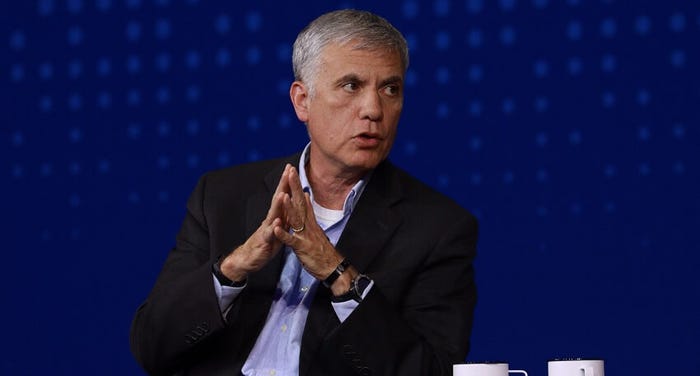
The company's CEO and Founder is Yossi Cohen, a serial entrepreneur who also founded Alexandria, a database migration tech company acquired by BluePhoenix in 2002, and Predicate Software, an integration services company based in Israel. He's currently working on completing his Ph.D., which describes a framework for building database software analysis tools.


Related Reading


Currently we allow the following HTML tags in comments:

Single tags

These tags can be used alone and don't need an ending tag.

<br> Defines a single line break

<hr> Defines a horizontal line

Matching tags

These require an ending tag - e.g. <i>italic text</i>

<a> Defines an anchor

<b> Defines bold text

<big> Defines big text

<blockquote> Defines a long quotation

<caption> Defines a table caption

<cite> Defines a citation

<code> Defines computer code text

<em> Defines emphasized text

<fieldset> Defines a border around elements in a form

<h1> This is heading 1

<h2> This is heading 2

<h3> This is heading 3

<h4> This is heading 4

<h5> This is heading 5

<h6> This is heading 6

<i> Defines italic text

<p> Defines a paragraph

<pre> Defines preformatted text

<q> Defines a short quotation

<samp> Defines sample computer code text

<small> Defines small text

<span> Defines a section in a document

<s> Defines strikethrough text

<strike> Defines strikethrough text

<strong> Defines strong text

<sub> Defines subscripted text

<sup> Defines superscripted text

<u> Defines underlined text

InformationWeek encourages readers to engage in spirited, healthy debate, including taking us to task. However, InformationWeek moderates all comments posted to our site, and reserves the right to modify or remove any content that it determines to be derogatory, offensive, inflammatory, vulgar, irrelevant/off-topic, racist or obvious marketing/SPAM. InformationWeek further reserves the right to disable the profile of any commenter participating in said activities.

Disqus Tips To upload an avatar photo, first complete your Disqus profile. | View the list of supported HTML tags you can use to style comments. | Please read our commenting policy.
T-Shirt Giveaway T-Shirt Giveaway: Each week we're selecting one great comment from our readers. The author of the comment will receive an InformaitonWeek Community t-shirt. So get posting!
Subscribe to RSS

Resource Links