DHS To Gain Autonomy Under Obama Cybersecurity Plan
The agency will be tasked with protecting federal civilian networks in the same way the DOD protects military and other critical U.S. infrastructure.The Obama administration's cybersecurity legislative proposal gives the Department of Homeland Security more power than ever to protect federal networks against cyberthreats and breaks down the department's communication barriers with the Department of Defense to do so, officials told a Senate panel this week.
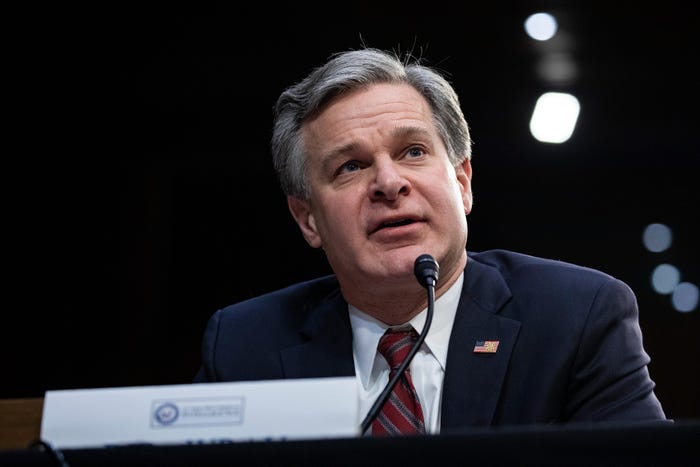
White House officials testified Monday before the Senate Committee on Homeland Security and Governmental Affairs about the comprehensive plan laid out by the administration nearly two weeks ago to create legislation to protect U.S. critical infrastructure and networks. A video of the hearing is available online.
More Government Insights
White Papers
- The BlackBerry PlayBook tablet's Good Bones - by BlackBerry
- New Visual and Wizard-Driven Paradigms for Exploring Data and Developing Analytic Workflows
Reports
More >>Webcasts
- Maximize ROI with Database Consolidation onto Private Clouds
- Outsourcing Security: What Every Potential Cloud Security Customer Should Know
One key aspect of the plan is to put the DHS's mission to protect U.S. federal civilian networks on par with the DOD's mission to protect U.S. military networks, giving the DHS more autonomy to act against cyberthreats on behalf of the government than before.
While the DHS has certainly been at the forefront of federal cybersecurity initiatives, working with the private sector and other agencies such as the DOD and the National Security Agency to share information and make policy, the administration's plan would solidify this role through legislation, officials said.
"[The proposal] strengthens DHS's role to deploy more rapidly intrusion protection, intrusion prevention, and other mechanisms for the federal government," said Philip R. Reitinger, deputy undersecretary for the DHS National Protection and Programs Directorate, in what was likely his last appearance before the committee. Reitinger resigned his post last week and will leave the department June 3.
"It gives the DHS--recognizing our similar role to DOD with regard to federal civilian networks--similar authority with regard to personnel so we can bring them on board rapidly," he said. After Reitinger's departure, Greg Schaffer, assistant secretary of the DHS Office of Cybersecurity and Communications, will become acting deputy undersecretary.
The plan also gives DHS "much clearer authority and responsibility to work in a voluntary way" with the private sector, something it already has been doing, he added.
Robert Butler, deputy assistant secretary of defense for cyber policy, also testified about the new relationship the plan would create between his department and DHS, and acknowledged the new cybersecurity authority of the DHS that the plan would bring.
The proposal "breaks down barriers to information sharing" that exist between the DHS and DOD "so that stakeholders can really communicate effectively," he said, adding that it also "really strengthens the ability of the DHS to lead the executive branch" in cybersecurity activity.
The administration's cybersecurity plan is a broad legislative proposal to overhaul the nation's cybersecurity laws with new provisions to solidify privacy protection, data breach reporting, critical infrastructure protection, and the security of federal government systems.
It's an attempt by the Obama administration to get comprehensive cybersecurity legislation through Congress, an effort that--although there are numerous bills before both chambers--has so far been unsuccessful.
White House officials, including two more from the DHS, are scheduled to continue testimony about the cybersecurity proposal before the same committee Wednesday.
Join InformationWeek Government for a virtual event on cybersecurity best practices and government IT. It happens May 25. Download it here. (Free with registration.)
Related Reading
| To upload an avatar photo, first complete your Disqus profile. | View the list of supported HTML tags you can use to style comments. | Please read our commenting policy. | |
|
|
T-Shirt Giveaway: Each week we're selecting one great comment from our readers. The author of the comment will receive an InformaitonWeek Community t-shirt. So get posting! |
Subscribe to RSSResource Links
This Week's Issue
Free Print Subscription
SubscribeCurrent Government Issue
- Going Mobile: As federal agencies embrace devices and apps to meet employee demand, the White House seeks one comprehensive mobile strategy.
- Smartphone Security: The National Security Agency is developing technologies to make commercial devices suitable for intelligence work.
- Read the Current Issue
Technology Whitepapers
- Mobile BI: Actionable Intelligence for the Agile Enterprise
- Creating the Enterprise-Class Tablet Environment - by Yankee Group
- How To Regain IT Control In An Increasingly Mobile World - by BlackBerry
- Red Alert: Why Tablet Security Matters - by BlackBerry
- New Visual and Wizard-Driven Paradigms for Exploring Data and Developing Analytic Workflows
Featured Whitepaper
In this white paper, Tripwire discusses strategies for defending cyber threats that include monitoring security status of systems throughout the enterprise, detecting threats to sensitive data, and responding to threats in real-time.
Learn More
Featured Reports
Featured Webcasts
- Maximize ROI with Database Consolidation onto Private Clouds
- Outsourcing Security: What Every Potential Cloud Security Customer Should Know
- Server Virtualization Gets Relief From Tivoli Storage Manager for Virtual Environments
- The ABC's of Cloud Computing in the Midmarket
- Five Jobs You Can Do Better with Intelligent Decision Automation