BRAINYARDNEWS
ABOUT THE AUTHOR


David F. Carr
David F. Carr
See More From This Columnist >>
SHARE


How Facebook Manages Its Workforce

David F. Carr | November 16, 2011
 
      
How Facebook Manages Its Workforce Facebook is growing so fast it had to implement new forms of employee reviews in a "learn or lose" work environment, execs tell Enterprise 2.0 conference.

Facebook is growing so fast it had to implement new forms of employee reviews in a "learn or lose" work environment, execs tell Enterprise 2.0 conference.

As a hypergrowth company made up of and designed to serve the generation known as millennials, Facebook can't operate on a six-month employee review cycle.

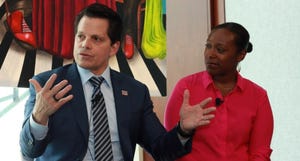
Speaking at the Enterprise 2.0 conference in Santa Clara, Calif., a UBM TechWeb event, Facebook's Molly Graham noted that when she joined the company in 2008, Facebook had about 80 million users. Today, it has more than 800 million. "You could have been the highest performer in 2008, and you would be underwater today if you hadn't learned anything. The company changes at least every six months because the scale changes," Graham said. That makes for a work environment that is "learn or lose," she said.

Graham is currently part of Facebook's mobile product team but formerly worked in human resources. She gave a presentation along with Nick Stein, director of content and media for Rypple, which has Facebook as a customer for it's system for employee feedback and recognition.

Enterprise 2.0

Graham said Facebook agreed to help Rypple design the product because the software was something it needed itself. Prior to adopting Rypple about a year and a half ago, Facebook had already developed an informal system allowing employees to send each other thanks and recognition through an internal discussion board. Rypple turned that into an enterprise product that organizes all that feedback for use in a more formal review process later.

"We add badges for those thanks that reflect specific skills and achievements, and we make that a permanent part of an employee's profile to help build their reputation," Stein said. "Social a word that's getting thrown around a lot today, but it's more than just a buzzword, it's a structured way of thinking," he said. The best social software amplifies the way people want to work anyway, he said.

Applying social principles to employee feedback meant applying the same principles that have worked on facebook.com, for example, to propel the growth in Facebook photos, Graham said. When Facebook launched its photo sharing site in 2005, many people thought it would have a hard time competing with the dozens of more established photo sharing sites, many of which offered more sophisticated photo handling features. The initial release wouldn't even let you rotate a photo, she noted.

However, Facebook offered the ability to tag friends in photos, which made all the difference, Graham said. It allowed users to associate the photos with people rather than dates or keywords. As a result, Facebook now stores more photos than all the other photo sharing sites combined, she said.

"This product was successful because it was more natural," Graham said. "When we talk about social design as a company, we're talking about taking technology out of the way and building the product in a way that mirrors human behavior."

Facebook wanted its system for providing employee feedback to feel natural in the same way by building it into the news feed of the company's internal discussion board system.

COMMENTS

STAYUPDATED

Sign up to the BrainYard email newsletter

*Required field

Privacy Statement

BRAINYARDRESEARCH
The State of Community Management
The State of Community Management documents a comprehensive set of lessons learned to help define this emerging role and give you the tools to be successful in your social initiatives.
Enterprise 2.0: What, Why and How?
This paper is an introduction to Enterprise 2.0 ‐ why it is one of the most crucial concepts to understand in business today and how you can begin to take advantage of E2 in your organization.
Guide to Understanding Social CRM
This paper presents the foundational components of Social CRM and lays the groundwork required for your company to build and maintain long and valuable customer relationships.
VIDEOGALLERY
National Field: The Data Driven Social Enterprise
The Obama campaign used National Field in 2008 to bring together, and share all of the data around its outreach efforts -- all of its calls, contacts and meetings were tracked every day using the social enterprise platform. Watch this demo for more.
Keynote Panel: Pushing the Limits of the Consumerization of IT
Keynote Moderator Larry Seltzer Editorial Director, Byte; Keynote Panelist Robert Scoble Blogger, Technical Evangelist & Author; Keynote Panelist Oliver Marks Co-founder, Sovos Group
Keynote: Sandy Carter, IBM
Sandy Carter Vice President, Social Business Evangelism and Sales, IBM Mobile Panorama: The Three Headed Monster
SLIDESHOWS
Use Facebook Apps To Woo Customers: 6 Examples
Several savvy organizations use Facebook apps to increase brand awareness and engage new and existing customers. Consider these interesting examples....
Enterprise Social Networks: A Guided Tour
More enterprises are deploying internal social networks to encourage collaboration and improve productivity. Take a tour of the major platforms...
10 Big Tech Ideas For Retailers
Mobile and social lead the list of hot tech trends for retailers, but they had company at the National Retail...